


CAIHE 2026: New Hardware Products for Uzbekistan Retailers
For Uzbekistan retailers, finding new hardware products has often meant relying on a small group of importers and a narrow catalogue. CAIHE 2026 changes that by bringing more than 200 international exhibitors to Tashkent from 24 to 26 November 2026 at Uzexpocentre, Pavilions 3 and 4. The Central Asia International Hardware Expo is designed to help store owners and wholesale buyers meet manufacturers directly, test products, and compare wholesale programs before committing inventory.
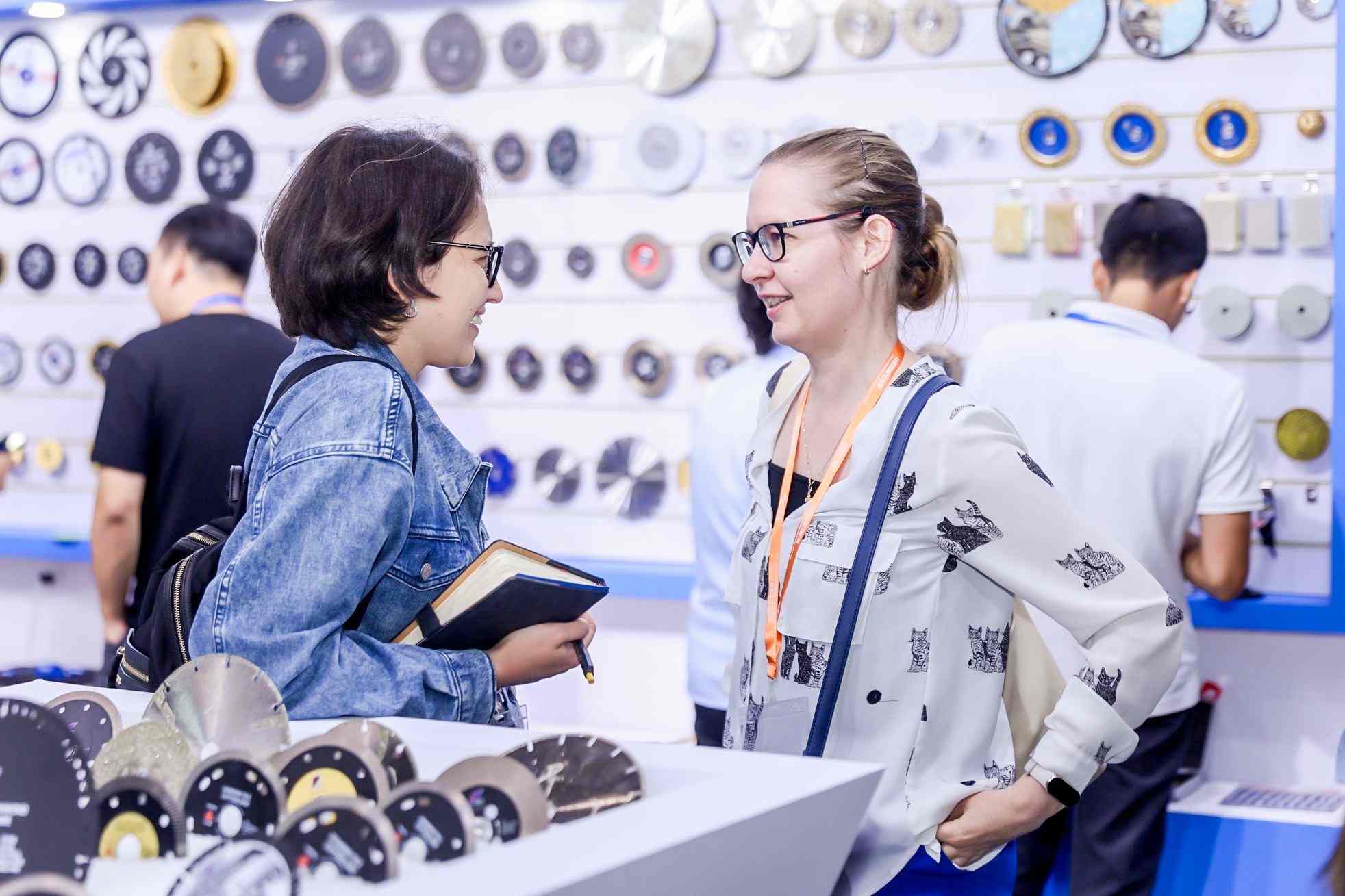
The promise is not scale alone. As a first edition, the fair is honest about being new. The practical advantage is access: a retailer can see multiple new product categories in one venue, and manufacturers are actively looking for initial distribution partners in Central Asia. That creates an early-mover opportunity for buyers who arrive prepared.
Why Uzbekistan Retailers Need a Wider Product Pipeline
Uzbekistan's construction and renovation program is the main retail demand driver. The market context includes more than 750 large-scale projects and plans for more than 1 million new homes by 2030. Those projects pull through repeat purchases: fasteners and fixings, hand tools, power tools, door hardware, plumbing accessories, sealants, and finishing materials.
This is not a single product opportunity. A store that depends on one tool brand or one fastener supplier carries more risk when specifications, pack sizes, or delivery schedules change. A wider supplier base gives retailers room to serve contractors and household customers without overcommitting to any single source.
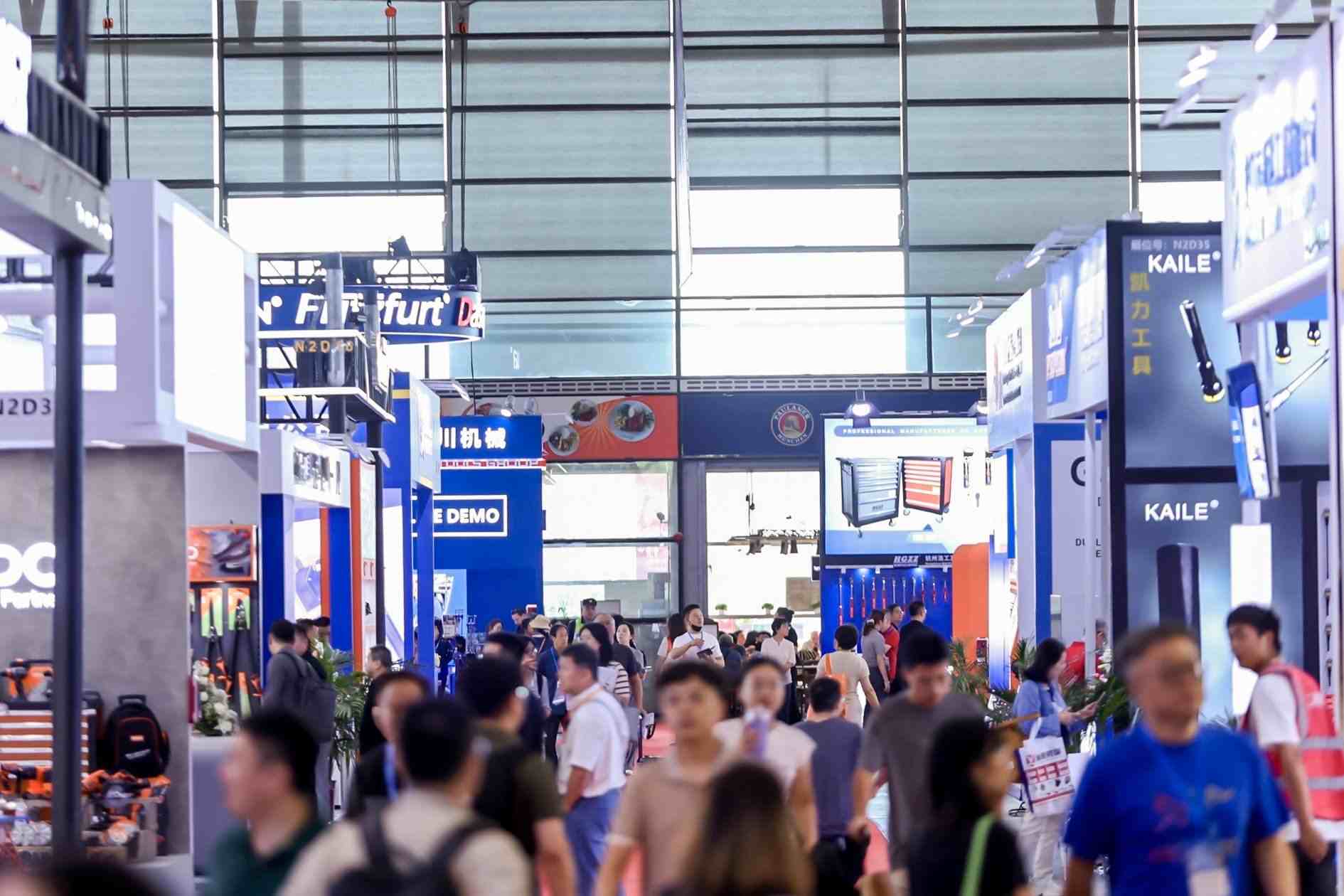
Tashkent also functions as a regional reference point. Buyers from Kazakhstan, Kyrgyzstan, Tajikistan, and Turkmenistan follow the same trade corridor, so a product line selected for Tashkent can hold wholesale potential across Central Asia. Retailers should evaluate new products with that regional resale path in mind.
What Retailers Can Source at CAIHE 2026
The fair focuses on hardware and tools, which means the product categories are practical. The table below is a retailer's first filter.
| Retailer focus | Products to look for | Why it matters now |
|---|---|---|
| Hardware store chains | Power tools, hand tools, fasteners, locks and hinges | Core construction SKUs with repeat sales |
| Building material shops | Finishing hardware, tile accessories, plumbing fittings, sealants | New housing demand supports continuous project orders |
| Garden and outdoor sellers | Garden tools, irrigation fittings, outdoor power equipment | Household and small commercial outdoor demand is emerging |
| Security and smart hardware | Smart locks, door hardware, camera accessories | Urban customers are upgrading toward convenience and safety |
| MRO and industrial resellers | Abrasives, welding consumables, PPE, cutting tools | Infrastructure and workshop demand needs reliable supply |
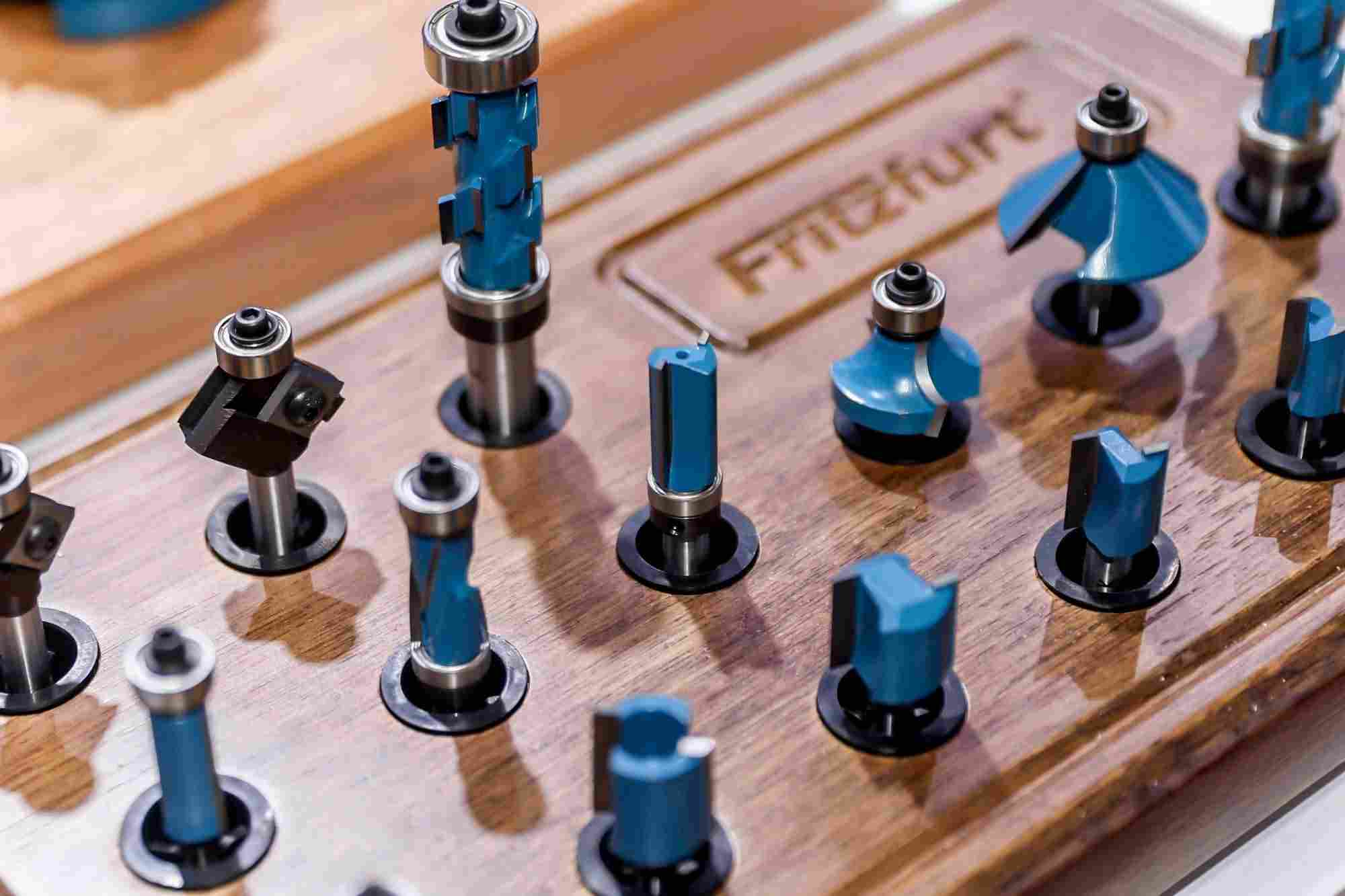
The category list is less important than the contact moment. Meeting a factory or a trading company in person lets a retailer inspect build quality, packaging, and after-sales support before placing an order. That is something an online catalogue cannot fully replace.
From Discovery to a Practical Stocking Plan
Discovery becomes useful only when it leads to a stocking decision. For each promising product, record the unit cost, MOQ, lead time, packaging, and certification status. Then compare the product against the store’s current supplier with three questions: will it improve margin, will it fill a visible gap, and will it reduce supply risk?
We suggest leaving the fair with a short list, not a full container. Choose five to ten pilot SKUs first, test the product with local customers, and observe return and warranty behavior before expanding the order. This is the lowest-risk way to add a new supplier without disturbing cash flow.
If the supplier is new to Central Asia, ask how they manage documentation, spare parts, and repeat orders. A factory that ships products but cannot support a retailer after the first order creates more work than value.
How to Evaluate Suppliers at a First-Edition Fair
At any new fair, the buyer’s job is qualification. Ask each supplier the same five questions: which factories produce the products, which markets they already serve, which certifications the products hold, what the standard MOQ and lead time are, and who handles after-sales claims in Central Asia.
For hardware imported into Uzbekistan and neighboring markets, request the relevant compliance path. Depending on the product, that may include EAC or GOST documentation, CE or GS references, or other category-specific evidence. Do not assume that a European test report automatically covers Eurasian requirements.
Compare similar suppliers before leaving the booth. One factory may offer a lower unit price but a longer lead time. Another may include packaging design but require a larger first order. The useful comparison is total landed cost and after-sales support, not the lowest factory price alone.
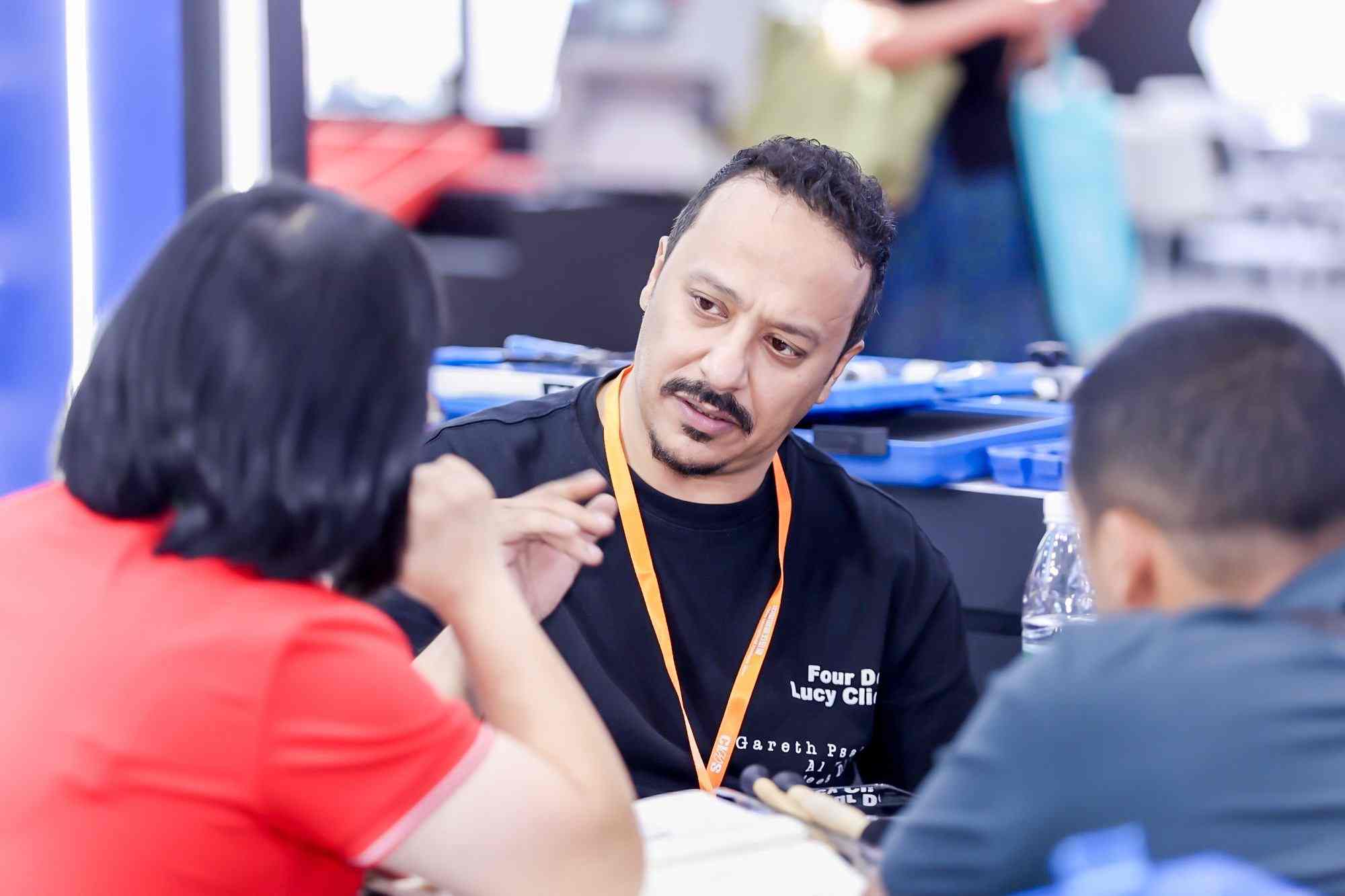
The Pre-Fair Checklist for Retail Buyers
Preparation saves time on the hall floor. Before traveling, confirm the basics: passport validity and visa-free entry eligibility, Tashkent accommodation, and the route from the city to Uzexpocentre. More than 60 countries are eligible for 30-day visa-free entry to Uzbekistan, which simplifies the trip for many international visitors.
Next, define the store’s missing categories and target price bands. A buyer who arrives with a clear gap list can move through the hall with purpose. Then pre-register online and apply for the CAIHE Hosted Buyer Programme if the store qualifies. The programme is designed to match buyer requirements with relevant exhibitors before the fair opens.
Bring a simple supplier scorecard. Include fields for product quality, unit price, MOQ, lead time, certification, packaging, warranty support, and the name of the person responsible for after-sales. This turns a quick booth conversation into a comparable record.

Plan Your CAIHE 2026 Sourcing Visit
If you are a retailer, wholesaler, or hardware store chain planning for 2026, make CAIHE your first sourcing stop. Pre-register as a visitor or apply for the Hosted Buyer Programme so you can use supplier matching before you arrive. For registration and buyer programme questions, contact the CAIHE team at zoey.yue@koelnmesse.cn or call +86-21-6390 6161 ext. 828.
FAQ
Is CAIHE 2026 suitable for small retailers, or only large distributors?
Small retailers can use the fair as a low-risk scouting trip. There is no requirement to place a large order. A store owner can review products, compare MOQs, and start with a few pilot SKUs. The main commitment is time, not inventory.
What if my store has never imported from a new country before?
Start with documentation and logistics questions. Ask the supplier about the relevant EAC or GOST certification path, export packaging, Incoterms, and whether they have a local agent or after-sales partner. Use the first meeting to build a supplier record, not to finalize a container.
How can I compare so many new products in only a few days?
Use a simple scorecard and pre-select categories. Focus on the store’s two or three biggest gaps, then shortlist no more than five to ten pilot SKUs. Comparing fewer products carefully beats collecting brochures from every aisle.
Is it worth visiting a first-edition fair?
Yes, if you are looking for early distribution terms. First editions do not offer a long track record, but they attract manufacturers who are searching for initial partners. Retailers can build relationships before competitors lock in regional distribution.
Contact us
-

Ms. Zoey Yue
+86-21-6390 6161 ext. 828
zoey.yue@koelnmesse.cnMr. Edward Gao
Tel: +86 10 6590 7766-765
Fax: +86 10 6590 6139
Edward.Gao@koelnmesse.cn