


What Kazakhstan Buyers Can Source in Tashkent
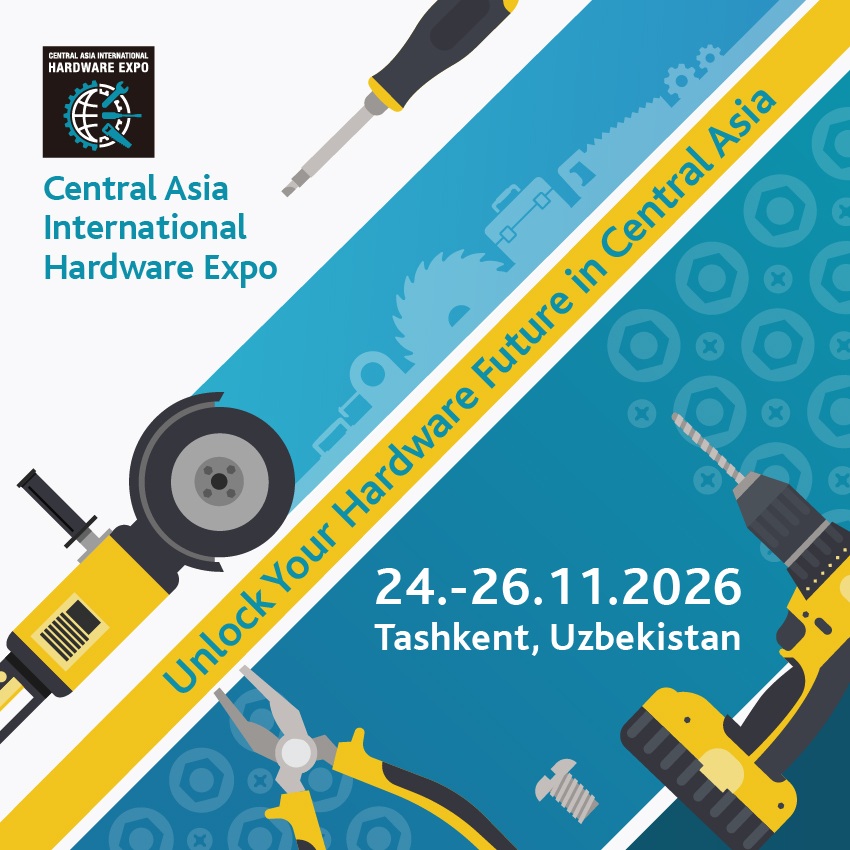
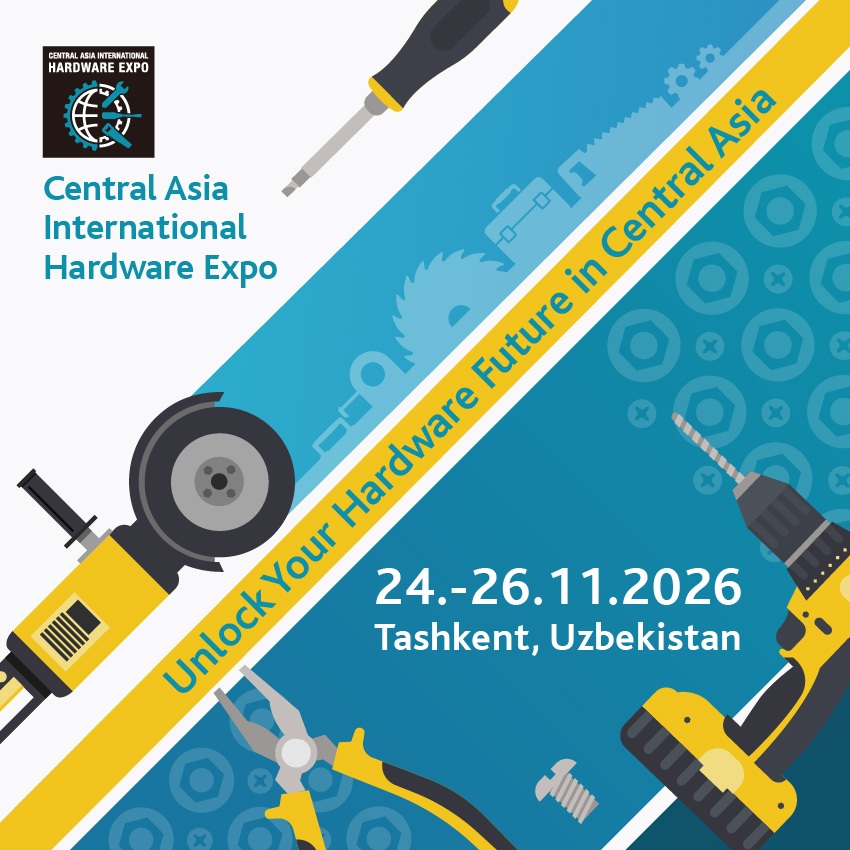
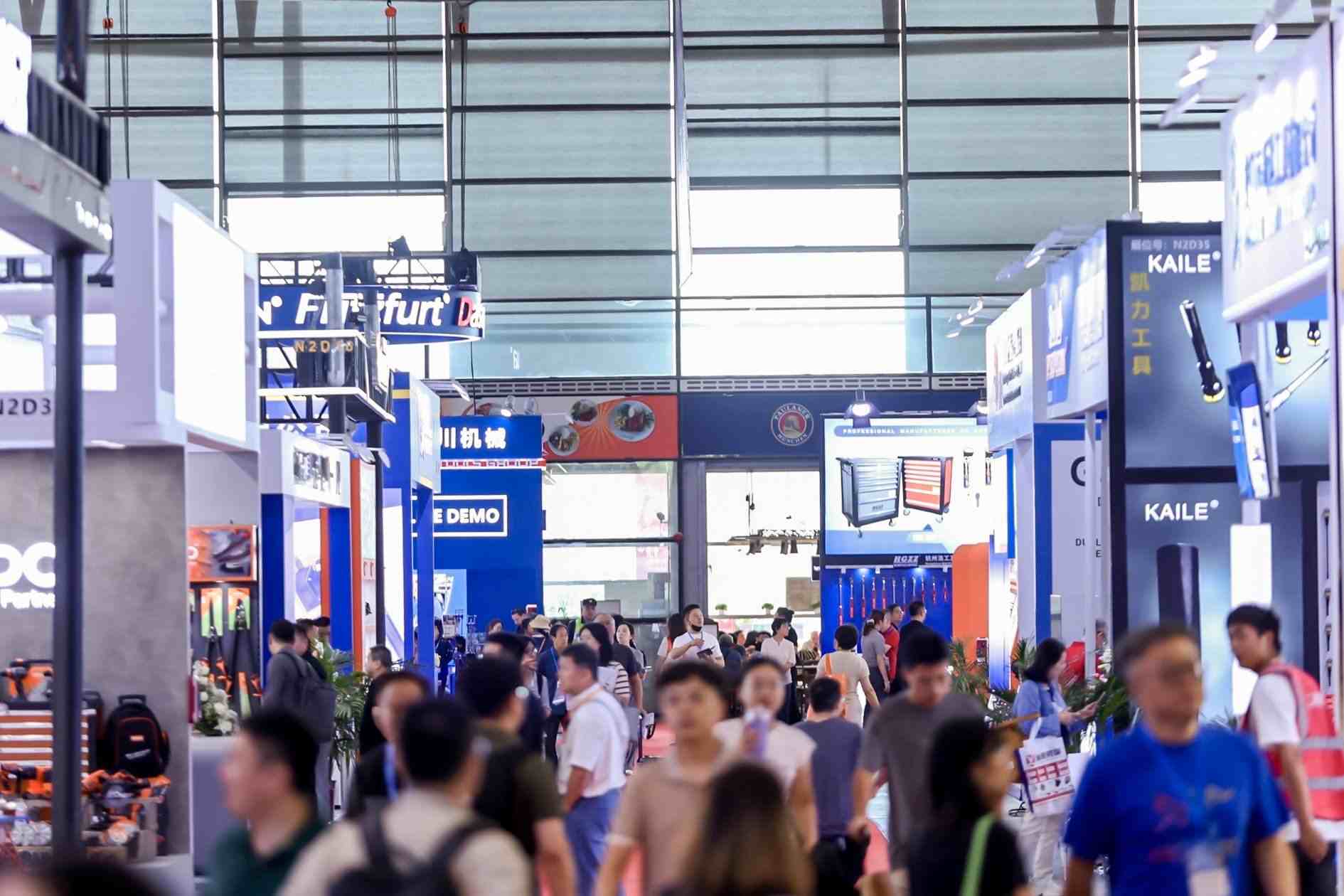
A Kazakh hardware distributor who needs a new supplier before next season has two realistic routes: a long-haul trip to a Chinese hardware fair, or a short flight south to Tashkent. CAIHE 2026, the Central Asia International Hardware Expo, opens at Uzexpocentre on 24 November 2026 and runs for three days, bringing more than 200 international exhibitors into two pavilions a regional buyer can walk in an afternoon. The trip pays off for buyers who arrive with a product list, HS codes and a certification question. It pays off far less for buyers who arrive to see what is there. This is the fair’s first edition, so no attendance record exists to lean on. Plan around that, and the newness works in your favour: the suppliers in the hall are still choosing their regional partners.
Why a Tashkent Trip Fits a Kazakh Buyer’s Calendar
Tashkent is not a smaller Shanghai. It is a different trip with a different job, and for a Kazakh distributor that job is a first look rather than a full category sweep.
Russian is the working language in Almaty and in Tashkent, so a negotiation happens in the language you already argue in. Kazakhstani passport holders travel to Uzbekistan visa free for short business visits under the two countries’ bilateral arrangement, and the organizer lists more than 60 countries with 30-day visa-free entry, which matters when you bring a colleague who holds another passport. The flight is regional, and the trip keeps you inside the same transport corridor your containers already use.
The fair is organized by Koelnmesse and Inter Dialog, with the Chinese Chamber of Commerce for Machinery and Electronics (CCCME) and CCI Uzbekistan as partners. That carries one practical consequence: the exhibitor base is drawn from the manufacturing clusters your current suppliers come from, so much of what sits on the floor is already in your catalogue, at a different price tier.
What you give up is depth. If you need to compare fifty fastener factories in one week, an established Chinese fair still covers more ground in a single hall. If you need a supplier shortlist across three categories, a certificate check and a conversation about regional distribution, three days in Tashkent costs you less attention than a long-haul trip and leaves your buying team at home.
What Regional Construction Demand Changes in Your Stock Plan
Uzbekistan’s construction programme is reported at more than 750 large-scale projects and more than one million new homes planned by 2030. Programmes of that size do not buy from retail shelves. They buy against a bill of quantities, on a schedule, through distributors who can hold stock and deliver in phases.
That mechanism reaches your business indirectly. The distributor who wins a project order sets a price tier for everything sold around it, including the retail channels that buy from you. Walk the hardware halls with that in mind and you learn which tiers regional volume buyers accept: which cordless platform, which lock grade, which fastener finish, which packaging survives a warehouse.
The boundary matters as much as the insight. Uzbek programme targets are not a Kazakh forecast, and a target is not a signed purchase order. Do not carry a volume figure across the border. Carry the category mix and the price expectation, then test both against your own customers when you get home.
What the Fair’s Own Numbers Can and Cannot Prove
A first edition asks you to trust a promise rather than a record. That is not a reason to skip the trip, but it is a reason to read every figure for exactly what it covers.
| Record | Method context | Responsible use | Do not infer |
|---|---|---|---|
| 24 to 26 November 2026, Uzexpocentre, Pavilions 3 and 4 | Organizer’s published show information for the first edition | Book travel and plan a three-day route | Nothing about past attendance or exhibitor performance, because no earlier edition exists |
| More than 200 international exhibitors | Organizer’s pre-show count, taken before the doors open | Estimate choice breadth in your own categories | That every exhibitor can supply EAC-marked goods, which is confirmed per supplier |
| More than 60 countries with 30-day visa-free entry | National entry policy as summarized by the organizer | Travel planning for colleagues from third countries | That business visas or work permits are unnecessary for every activity |
| 750+ large-scale projects and 1M+ new homes by 2030 | National construction programme targets reported for Uzbekistan | Reading the direction of regional construction demand | That Kazakh demand matches Uzbek volumes or timing |
Two boundaries deserve a plain statement. The exhibitor count is a pre-show figure, so what you find in your categories may differ from the headline, and there is no previous edition to compare it with. The construction numbers describe a national programme, not measured purchases by any single buyer. Treat both as planning inputs and confirm the details at the booth.
The Certification Question That Decides Most Kazakh Orders
Kazakhstan sits inside the Eurasian Economic Union, where EAC conformity marking applies to many hardware categories under the union’s technical regulations. Uzbekistan is not a member of that union. The asymmetry is the most useful screening filter a Kazakh buyer can carry into this fair.
A supplier whose Central Asian business runs through Tashkent may never have needed EAC paperwork. Their catalogue, packaging and manual can be adequate for Uzbekistan and incomplete for Kazakhstan. Ask four questions at the booth: which technical regulation covers this product, what certificate number and validity date apply, which production site is named on the certificate, and whether your exact model and voltage variant falls inside its stated scope.
Two limits apply. CE marking answers a different question and does not by itself establish Kazakh market access, though it may matter to your European customers. Category coverage varies, so confirm the requirement with your importer of record or a certification body before you commit to a container. A sample proves the product exists. A certificate proves it can be placed on the market.
How to Screen a Supplier in One Conversation
You cannot audit a factory in three days. You can decide, in a single conversation, whether a supplier deserves a second one. Screen on the five items below and write the answers down before you leave the booth.
| Supplier question | What to ask for | Failure it prevents |
|---|---|---|
| Certification scope | Technical regulation, certificate number, validity date, named production site | Buying stock you cannot clear into Kazakhstan |
| Specification basis | Model code, voltage and plug variant, material grade, test method | Two suppliers meeting the same nominal size with different parts |
| Price basis | Incoterm, currency, quote validity, what the price excludes | Comparing an EXW quote against a delivered one |
| Production position | Factory or trading company, city, line that runs your item | Attributing factory capacity to a reseller |
| Sample and change control | Sample lead time, freight paid by whom, agreed tolerance, notification threshold | A second container that does not match the first |
One request that will cost you a week: “Send your best price for 500 units of 20V cordless drills.”
One that gets an answer you can compare: “Quote DAP Almaty for 500 units, 20V class, two batteries, EAC certificate number with the named production site, price valid 30 days, sample lead time and freight terms.”
The difference is not politeness. The second request can be placed side by side with two other quotes, and it tells the supplier which questions you will ask again after the fair.

How to Plan Three Days at Uzexpocentre
Build the shortlist before you fly
Pick no more than three categories and list every exhibitor that sells into them, with booth numbers on one printed sheet. A pre-show list turns three days of walking into a route. Buyers who arrive without one spend the first morning re-reading signage.
Bring the documents that answer questions on the spot
Carry HS codes for your top twenty items, the landed cost of your current bestseller, the certification requirement your importer has given you in writing, and cards in English and Russian. A supplier who hears a landed cost and a target retail price in the first five minutes quotes differently from one who hears a category name.
Leave the last afternoon for second meetings
Use the mornings for suppliers you have never met and the afternoons for the ones you want to see twice. Second conversations are where price basis, territory and sample timing get settled, and they need an hour that is not already booked.
Turning Three Days into a Kazakh Distribution Advantage
Reply within two working days, while your notes still carry the booth number and the person’s name. A short message that repeats the specification you discussed, restates the price basis and asks for the certificate copy does more than a friendly follow-up with no next step attached.
Then decide what the relationship is for. A sample order confirms the product and the paperwork before money moves at container scale. Consolidation across two or three suppliers from the same region cuts freight per unit and turns three small relationships into one shipment.
Ask the territory question early. A supplier entering the region is still appointing distributors, and a first-edition fair is one of the few places where that decision is open. Early, verified commitment can secure terms that a mature fair no longer offers. Sequence the commitment correctly: certificate check first, sample second, territory conversation third. Reverse that order and you are negotiating for goods you may not be able to import.
Where to Send Your Requirements Before the Fair
Visitor registration is open, and the Hosted Buyer Programme takes logistics off your desk when your purchasing volume qualifies. Either way, the work that decides your trip happens before the doors open.
Send your product categories, HS codes, target volumes, delivery city in Kazakhstan, certification requirements and preferred Incoterms, and we will match them against the exhibitor list before 24 November. Koelnmesse China, +86-21-6390 6161 ext. 828, zoey.yue@koelnmesse.cn.
FAQ
Do Kazakhstani buyers need a visa for Tashkent?
Kazakhstani passport holders enter Uzbekistan visa free for short business visits under the two countries’ bilateral arrangement, so a three-day fair trip needs no visa application. Confirm your passport validity and the current entry rules with your airline before booking, since conditions do change. If you travel with colleagues from other countries, the organizer lists more than 60 countries with 30-day visa-free entry; anyone outside that list needs an e-visa arranged ahead of travel, not at the airport.
Is a first-edition fair worth the trip?
It is worth it when you arrive with a shortlist and a certification question, and much less so when you want a proven catalogue across dozens of suppliers in one category. A first edition has no attendance history and a smaller exhibitor base than an established show. What it offers instead is access: suppliers are still appointing regional distributors, so you are talking to someone with time for your questions and a reason to offer early terms.
How does this compare with sourcing in Shanghai?
Shanghai gives you depth: more suppliers per category, more product variants and a longer track record. Tashkent gives you proximity, a shared logistics corridor and a supplier base already used to Central Asian order sizes. Buyers filling one narrow, high-volume category usually gain more from the established Chinese fair. Buyers building a regional portfolio across several categories get a faster first read in Tashkent.
Can I visit suppliers or warehouses outside the fair?
Some exhibitors can arrange visits, but most manufacturing sits in China, so a local warehouse tour is more realistic than a factory tour. Use the visa-free period to meet distributors and see how stock is held in Uzbekistan, and book any visit before you travel. For factory verification, plan a separate trip to the production site or commission an audit, because a booth conversation does not confirm capacity.
Contact us
-

Ms. Zoey Yue
+86-21-6390 6161 ext. 828
zoey.yue@koelnmesse.cnMr. Edward Gao
Tel: +86 10 6590 7766-765
Fax: +86 10 6590 6139
Edward.Gao@koelnmesse.cn